Since our post last week, the scale and how long it might persist of the ongoing energy disruption have become clearer. We want to provide greater transparency around what this means for our thinking and analysis of the situation.
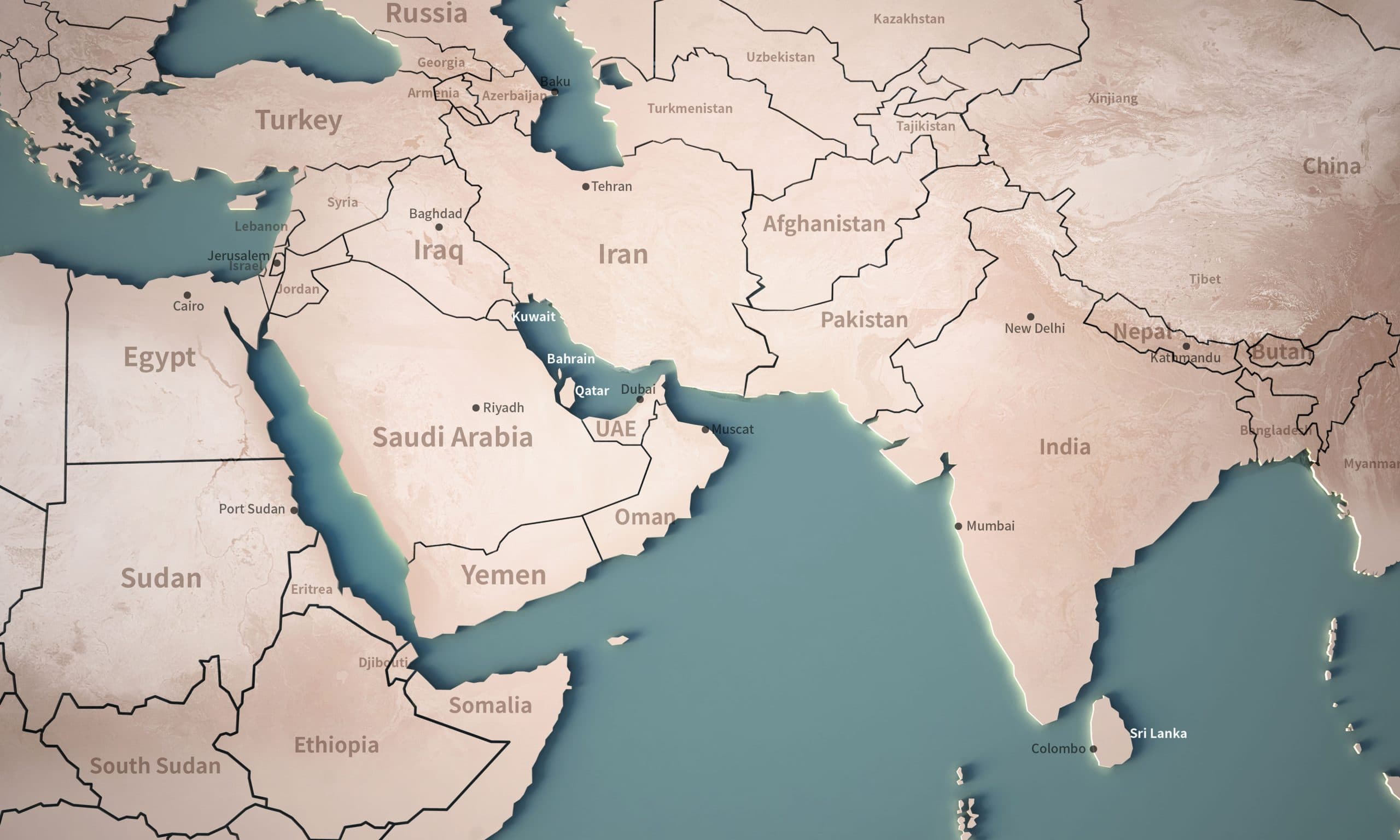
Energy flows through the Strait of Hormuz, the narrow waterway through which a fifth of global energy flows, have fallen sharply. Tanker traffic is estimated to be running at around 10% of normal levels, with the disruption driven by physical risk to shipping rather than simply constraints from maritime insurance. This is a larger supply shock than the market initially assumed.
We have been monitoring developments for signs that this event could affect the global economic outlook.
The three variables that will determine how this situation resolves from a market perspective are energy flows, inflation expectations, and growth.
Energy
On energy flows, what matters most is whether one of three conditions emerges: a general de-escalation of the conflict, credible US protection for tankers transiting the Strait, or an arrangement that permits safe passage for vessels with certain origins or destinations. Without one of these, the disruption is likely to persist. Equally, any one of them arriving could trigger a rapid and significant reversal in energy prices and consequently in broader markets.
This is precisely why reactive portfolio decisions are disadvantageous in environments like this as the upside can be as swift as the downside.
Inflation
On inflation, we have inevitably seen expectations rise following the start of this conflict. In our view, the longer this crisis continues, the greater the probability of a more sustained impact on inflation. But as it stands, the market believes that the impact on core inflation (i.e. the measure of inflation that strips out more volatile food and energy prices) is expected to remain limited under current conditions.
This is consistent with an important historical pattern that supply-driven oil shocks (such as we are seeing in the Persian Gulf) have a significantly smaller effect on inflation than demand-driven ones. This is because sudden spikes in energy costs simultaneously weaken growth and thus dampen other inflationary pressures.
Inflation expectations appear somewhat more sensitive than usual following the recent pandemic experience, and we are watching developments closely. At this stage, the data do not point to a shock on the scale seen in 2022.
Growth
On growth, the effect of higher energy prices is real. There are many pieces of academic and investment research that link higher energy costs to weaker levels of growth.
Because of this, the market reacted far more aggressively to penalise net energy importing regions (such as Europe) while net energy exporting regions (such as the US) have taken a much less significant hit.
We believe a more protracted disruption, such as oil above $100 per barrel sustained for several months, could increase drag on economic growth meaningfully across regions. However, as outlined above, there are several scenarios under which energy prices could move down from their current levels.
As we consider the wider implications, central bank policy is a major topic in the market. At a high level, interest rates are unlikely to be materially affected particularly in the US. The situation in the United Kingdom and the Eurozone may be a little different, however, given these countries have a greater need for energy imports.
As it stands, most expectations for gradual interest rate cuts this year have been pushed back. Central banks have historically not raised rates in response to supply-driven energy shocks because the growth and inflation effects pull in opposite directions. This would change only in a scenario where energy prices remained elevated for an extended period and began to feed through into wage and price-setting behaviour. We are not there yet.
Portfolio positioning
We continue to maintain a steady portfolio stance. The situation in the Persian Gulf is serious, and the range of outcomes is genuinely wide. But the lesson of every major geopolitical shock in living memory is that the investors who stayed disciplined, and were still invested when the resolution came, fared better than those who acted on the fear of the moment.
Any meaningful de-escalation, a ceasefire, a diplomatic channel opening, a tanker corridor being established, could reverse much of the negative moves in markets quickly. We are watching for those signals, as well as for signs that the disruption is deepening. We will update you as the situation evolves.
Any questions?
If you would like more information about EQ’s investment views and services, please get in touch.
Please remember, this content is provided for information purposes only. Investment involves risk. Past performance is not a guarantee or indication of future results. Investment return and the principal value of an investment may go up or down and may result in the loss of the amount originally invested. All investors should seek professional advice prior to any investment decision, to determine the risks associated with the investment and its suitability.